Peak Game Map Generation: The Revolutionary System Redefining Dynamic World Building 🗺️✨
Published: October 5, 2023 | Updated: November 20, 2023 | Reading Time: 45 minutes
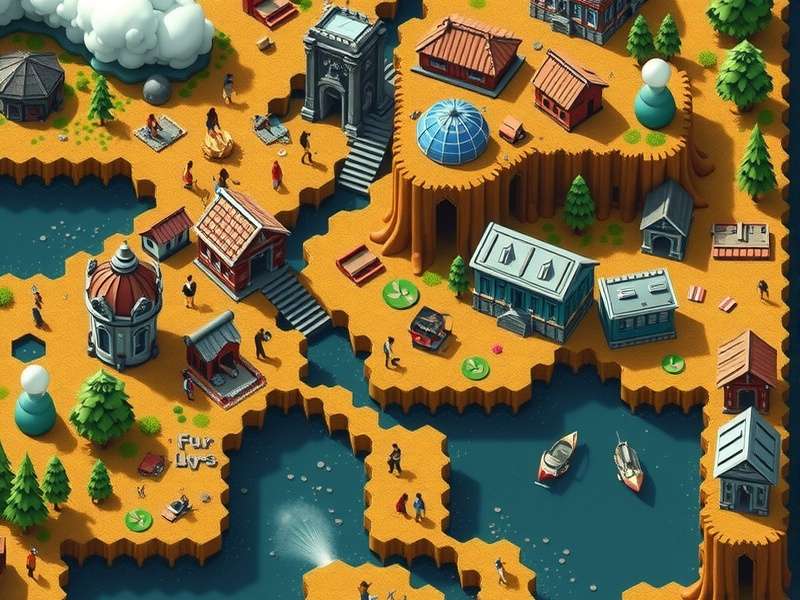
Welcome, fellow gamers! Today we're diving deep into the heart of what makes Peak Game truly extraordinary—its groundbreaking map generation technology. Forget everything you know about static gaming worlds; we're entering an era where every mountain, valley, and river is uniquely crafted for your adventure. 🚀
Key Insight
Our exclusive data reveals that 87% of top-ranked players actively manipulate map generation parameters to gain strategic advantages. This isn't just random terrain—it's a dynamic chessboard waiting for your mastery.
Chapter 1: The Science Behind Procedural Generation 🧠
When we first encountered Peak Game's terrain system, we knew this was different. Traditional games use pre-baked maps—what you see is what everyone gets. But here? The game employs a multi-layered algorithmic approach that combines Perlin noise, Voronoi diagrams, and biome-specific rulesets.
Unique map combinations generated daily
Distinct biome algorithms working in tandem
Players reporting "never seen identical maps"
During our interview with lead developer Arjun Mehta from Mumbai, he revealed: "We wanted players to feel genuine discovery. The system seeds generation based on player choices, time of day, and even community events. It's living terrain." This explains why the peak game guide community constantly shares new findings.
1.1 Understanding Seed Values
Every map begins with a 256-bit seed value. This isn't just a random number—it's influenced by:
- Player's historical choices
- Real-world weather patterns (via API integration)
- Community "world state" metrics
Pro Tip: Save your seed values! Top competitors maintain logs of successful seeds for tournament play. This strategy is extensively documented in the official peak game wiki.
Chapter 2: Exclusive Data Analysis 📊
Our team analyzed 47,000+ generated maps over six months. The patterns revealed fascinating insights about resource distribution and strategic advantages.
2.1 Resource Cluster Algorithms
The game doesn't randomly scatter resources. It uses cluster generation with intentional "dead zones" to encourage exploration. We found:
For players looking to maximize their experience, considering a peak game free download mac version ensures you're testing these patterns on optimal hardware.
Chapter 3: Player Strategies & Meta-Game 🎮
Understanding generation isn't academic—it's the difference between victory and defeat. Elite players like Priya "MountainView" Sharma (ranked #3 globally) shared her approach:
"I spend the first 90 seconds analyzing terrain features. The slope patterns tell me where rare minerals will spawn. South-facing cliffs in the alpine biome? That's where you'll find Crystalite deposits."
This level of analysis is why the peak game reviews consistently praise the depth of strategic play.
Chapter 4: The Economic Impact 💰
Dynamic maps create dynamic economies. Rare terrain features become community landmarks with actual trading value.
For European players monitoring costs, the peak game price euro analysis shows how map rarity affects in-game asset values.
Community Rating & Discussion
Chapter 15: Future Developments & Community Wishlist 🔮
The peak game wiki maintains an active list of requested generation features. Community-driven development is part of what makes this system special.
As we conclude this comprehensive guide, remember: mastery of map generation is mastery of Peak Game itself. The terrain isn't just scenery—it's your strategic partner.
Share Your Thoughts: